
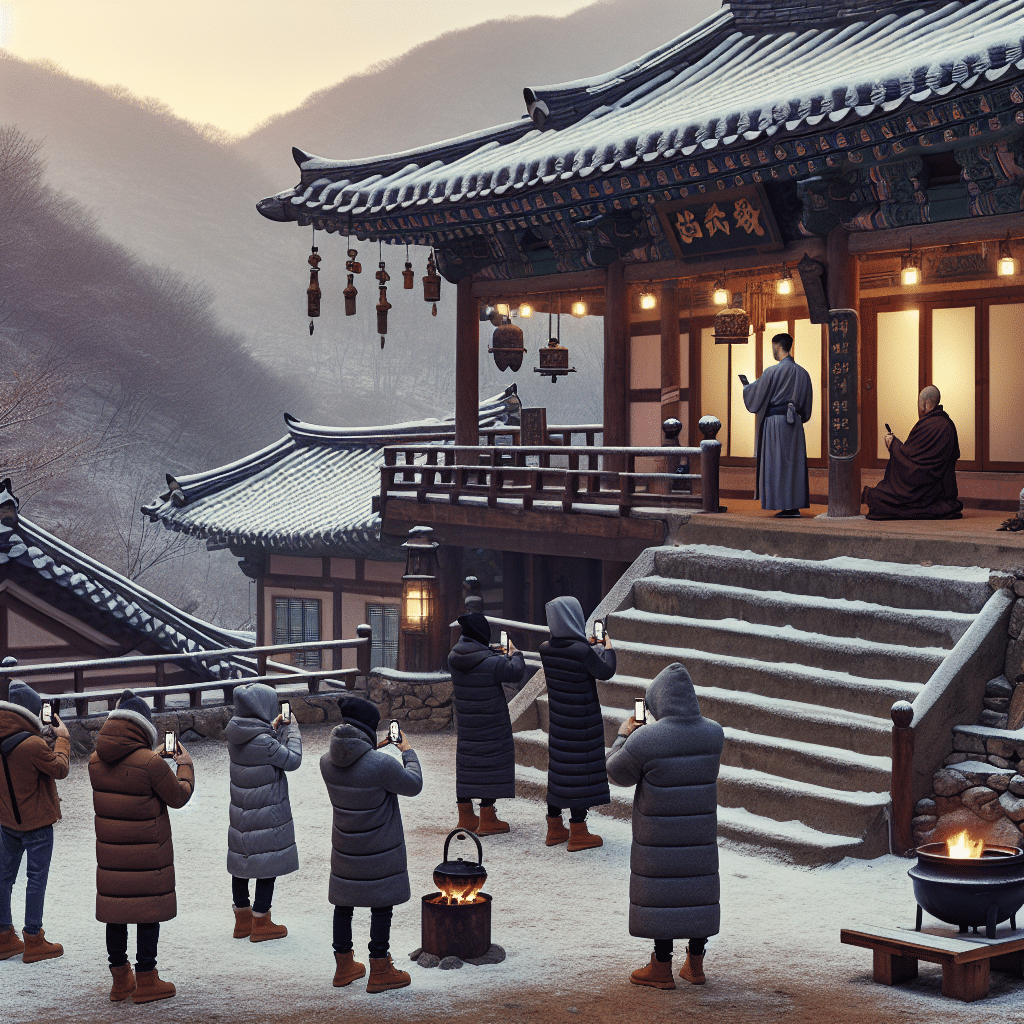
Korea’s Winter Temple Season: A Quiet Cultural Revival
Across Korea, Buddhist temples are entering one of their most atmospheric times of year: the winter practice period. As temperatures drop, temples in mountains and rural areas open seasonal programs that blend meditation, community rituals, and long-standing customs. These centuries‑old traditions are gaining fresh attention as younger Koreans and busy city workers search for calm, meaningful experiences beyond commercial holiday trends.
In recent weeks, Korean media and social platforms have been filled with snowy temple paths, early‑morning chanting, and Templestay programs where visitors spend a night or two living like monks. What was once seen as something only for the devout is now embraced as a form of cultural wellness. In simple terms, Korea is rediscovering its winter spirituality—and people are loving it.
A Brief Background
Buddhism has shaped Korean culture for more than 1,500 years, influencing art, architecture, rituals, and seasonal practices. Although other religions and modern lifestyles are widespread today, temples continue to serve as important cultural landmarks, especially in nature-rich regions.
For centuries, winter has been considered the ideal period for deep practice. Farming work paused, travel was difficult, and monks focused on study and meditation. In the early 2000s, the national temple organization launched the Templestay program to let everyday people experience this lifestyle firsthand. Guests sleep in simple rooms, join dawn ceremonies, meditate, and eat vegan temple food.
Winter adds a special atmosphere: quiet forests, warm communal tea, and the steady rhythm of drums and bells at sunrise.
Two modern trends have made these traditions newly visible:
- Korea’s fast-paced lifestyle has increased interest in mindful breaks.
- Social media highlights the beauty of temple life, from lantern-lit paths to snow-covered rooftops.
What once felt old-fashioned is now seen as culturally rich, calming, and uniquely Korean.
Why Koreans Are Drawn to This
For many people, winter temple traditions offer a chance to reset emotionally. After months of work and social pressure, the simplicity of temple routines feels grounding. Even those who are not religious appreciate having a socially accepted space to slow down.
Families also see these practices as a way to reconnect with heritage. Many older Koreans grew up visiting temples, so younger generations often describe the experience as both nostalgic and new.
Online, visitors share stories about hearing the massive temple bell echo at 4 a.m. or making simple lotus lanterns that remind them of childhood crafts. These personal moments help make the tradition approachable and warm.
Why This Trend Matters Globally
Korea’s renewed interest in winter temple life reflects a broader global shift toward meaningful cultural experiences over surface‑level tourism. Just as people seek mindfulness retreats or digital detoxes, Korea’s winter traditions offer a rooted, culturally specific version of the same desire: to pause and reconnect with oneself.
Korea’s example also shows how traditional institutions can welcome modern visitors without losing authenticity. Temples maintain their schedules and rituals, and guests adapt to the environment rather than the other way around. This balance is something many countries are working to achieve.
As a result, Korea’s winter season is becoming not just a time for winter sports or shopping, but a moment of reflection and cultural connection.
Key Points at a Glance
Why are temples active in winter?
Historically, winter was the ideal time for concentrated practice. Today, monks continue this tradition, and visitors join in to experience the stillness.What happens during a winter Templestay?
Participants follow a simple monastic routine: early wake‑ups, chanting, meditation, quiet meals, and light communal tasks. The focus is calm structure, not comfort.Why do young Koreans like it?
Many want a break from academic pressure, work stress, and digital noise. Temples offer a rare space with no advertising, no rush, and no distractions.Is it religious or cultural?
Rooted in Buddhism, but widely enjoyed as a cultural experience. Even non-Buddhists appreciate the scenery and rituals.Are temples changing because of the trend?
Some now offer shorter or more flexible programs, but the core practices remain traditional.
What to Watch in the Coming Weeks
As winter continues, more temples are expected to open seasonal programs, and public interest will likely grow. Korean media often follows how temples balance authenticity with accessibility, especially for newcomers and foreign visitors.
There is also rising discussion about how these traditions influence Korea’s wellness and cultural tourism landscape. Even though temples aren’t trying to become trendy destinations, the public’s enthusiasm shows that spiritual heritage can play a meaningful role in modern life.
Frequently Asked Questions
What should I expect if I visit a Korean temple in winter?
Expect early mornings, quiet rituals, and simple facilities. Snowy surroundings create a calm, reflective atmosphere. Schedules are usually clear and structured.
Do I need to be Buddhist to join a Templestay?
No. Templestays welcome people of all backgrounds. The emphasis is on cultural experience and mindfulness. Visitors only need to respect temple customs.
Why is the wake‑up time so early?
Monastic tradition views early mornings as the best time for focus and meditation. Visitors follow a shortened version of this schedule to experience authentic temple life.
Is temple food vegan?
Yes. Korean temple cuisine avoids animal products. Meals are simple, seasonal, and surprisingly satisfying, often featuring vegetables and fermented ingredients.
Are winter temple visits safe for foreign travelers?
Yes. Temples are well-organized and usually very safe. Some offer English guidance, especially near major cities. Winter can be cold, so warm clothing is essential.
This polished Markdown version is ready for use in WordPress as a warm, globally friendly introduction to Korea’s winter temple season.
📰 Korea Now
This article is part of our Korea Now guide series, where we explore what’s trending, changing, and being talked about in Korea right now — from K-pop and dramas to cultural moments and social trends.
| Related Post | Singles’ Inferno Season 5 Trailer Teases a New Cast and Hotter Romance |
| Related Post | “Dynamite Kiss” Finale: The Moment That Set Fans Talking |
Recommended for you
- Korean Temple Food Cookbook – for anyone curious about vegan temple meals
- Meditation Cushion Set – helpful for calm practice at home
- Korea Travel Guidebook – useful for planning temple visits
- Thermal Base Layer Clothing – keeps you warm during winter trips
As an Amazon Associate, I earn from qualifying purchases.