
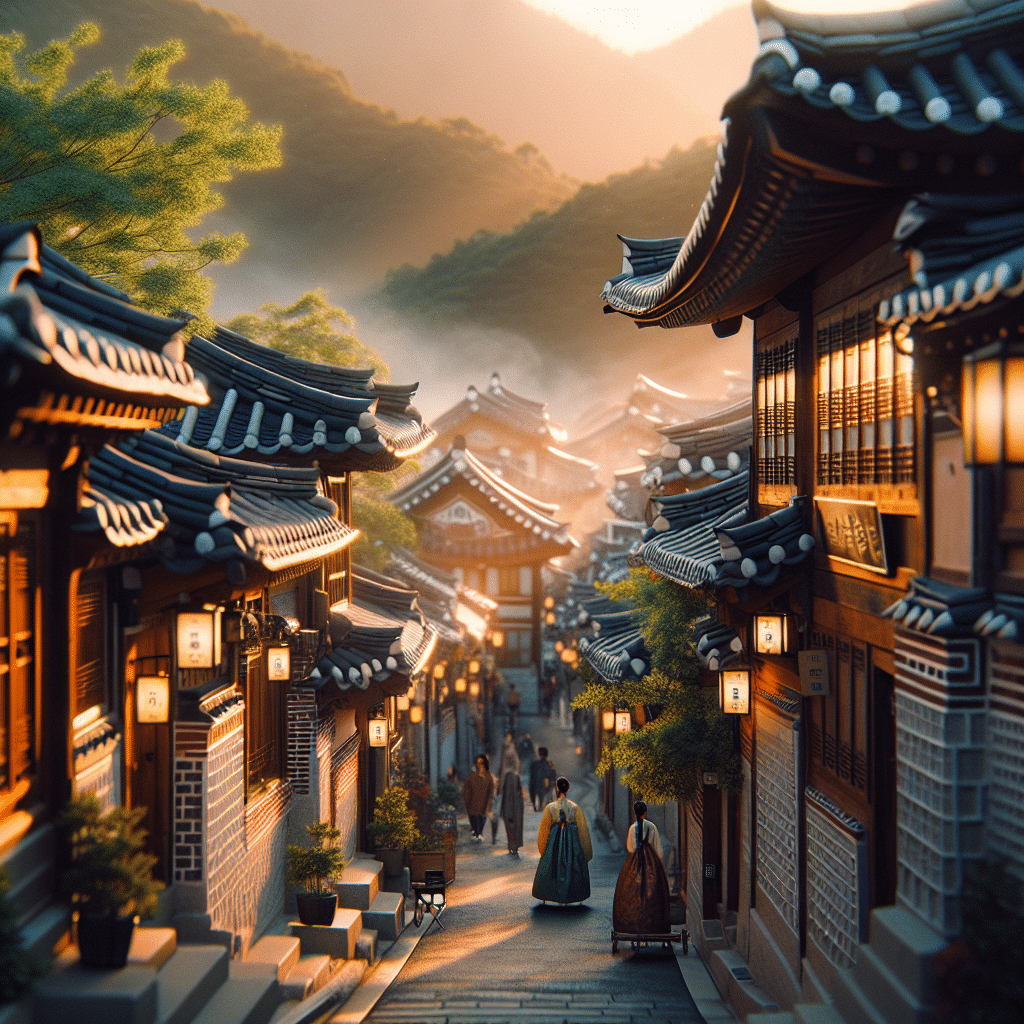
Jeonju Hanok Village: Where Tradition Glows in the Late Afternoon Light
Late afternoon sunlight gives Jeonju Hanok Village a timeless warmth, and that golden glow is one reason travelers are rediscovering this beloved cultural neighborhood. This feature looks at why the village is trending again and how visitors can enjoy its walking paths, flavors, and heritage sites.
Why Jeonju Is Trending Again
In recent months, Jeonju Hanok Village has enjoyed a new wave of global attention. Travel documentaries, social media challenges, and the return of long-haul tourism have all helped spotlight this photogenic destination. Its stone-paved alleys, preserved hanok houses, and relaxed atmosphere make it a refreshing contrast to the modern districts of major cities.
What many visitors love most is the sensory experience:
- Curved tile roofs and warm wooden beams
- Handmade crafts and traditional workshops
- Aromas of simmering Jeonju-style dishes
- A slower pace that invites wandering
As global interest in Korean entertainment continues to grow, travelers are becoming more curious about the traditional settings often seen in historical dramas and cultural programs. Jeonju offers that bridge between on-screen charm and real-life heritage.
A Living Cultural Community
Jeonju Hanok Village is home to more than 700 traditional houses. Some are private homes; others welcome visitors through tea rooms, craft studios, guesthouses, and small eateries. The city of Jeonju—long known as a cultural hub—supports preservation efforts that keep the village’s character intact.
Along the way, visitors often meet artisans specializing in:
- Hanji (traditional paper)
- Traditional liquor and tea
- Calligraphy
- Regional foods and snacks
Walking through the village feels like exploring a living museum where everyday life and centuries of tradition blend naturally.
Highlights and Must-Experience Moments
- The walking route from Gyo-dong to the hilltop viewpoint is one of Korea’s most photographed paths, especially at golden hour.
- Jeonju’s food festivals, including the Jeonju Bibimbap Festival, attract culinary travelers from around the world.
- Jeondong Catholic Cathedral, set at the village’s edge, remains one of Korea’s most admired historical landmarks.
- Hanok guesthouses offer peaceful stays featuring traditional floors, quiet courtyards, and warm hospitality.
- Social media videos of visitors in hanbok strolling the stone alleys continue to inspire global interest.
- Hands-on workshops—hanji craft, lacquerware, and other traditional arts—are popular with younger travelers seeking meaningful cultural experiences.
Why It Matters to Global Travelers
Jeonju connects visitors with Korea’s deeper cultural history at a time when global attention often focuses on contemporary pop culture. Exploring its architecture, crafts, and cuisine helps travelers understand the traditions that influence Korean entertainment and aesthetics today.
International fans frequently share Jeonju-focused travel itineraries, linking the village to a broader fascination with both modern and historical elements of Korean culture. As streaming platforms expand their selection of historical dramas, Jeonju’s relevance only grows.
How Visitors Are Reacting
Travelers describe Jeonju as a peaceful break from fast-paced city trips. Online posts often highlight:
- Sunset views over tiled rooftops
- Hidden alleys discovered by wandering
- Favorite local dishes
- Hanbok rental experiences
- Friendly encounters with artisans
The result is a vibrant online community sharing tips and inspiration for future visitors.
Where to Explore More
Those curious about Jeonju can find virtual walking tours and official tourism videos on major video platforms. Korean travel creators also post day-trip guides and food reviews filmed right in the village. Historical dramas available on global streaming services offer additional context for the architecture and style visitors see in person. Local restaurants and craft studios often share seasonal updates and workshop schedules through their social feeds.
Closing
Jeonju Hanok Village remains one of Korea’s most inviting places to experience tradition up close. From warm wooden architecture to flavorful dishes and artisan studios, it offers a memorable look into everyday culture. Whether you’re a fan of Korean pop culture or simply curious about the country’s heritage, Jeonju is a beautiful place to begin.
Stay tuned for more stories exploring the many layers of life, art, and tradition across Korea.
Planning your Korea trip?
These travel guides will help you explore like a local:
Recommended for you
- Hanbok outfit set – great for traditional-style photos
- Korea travel guidebook – helpful for planning Jeonju routes
- Korean tea set – fits the village’s tea room culture
- Hanji paper craft kit – inspired by local artisan workshops
As an Amazon Associate, I earn from qualifying purchases.