
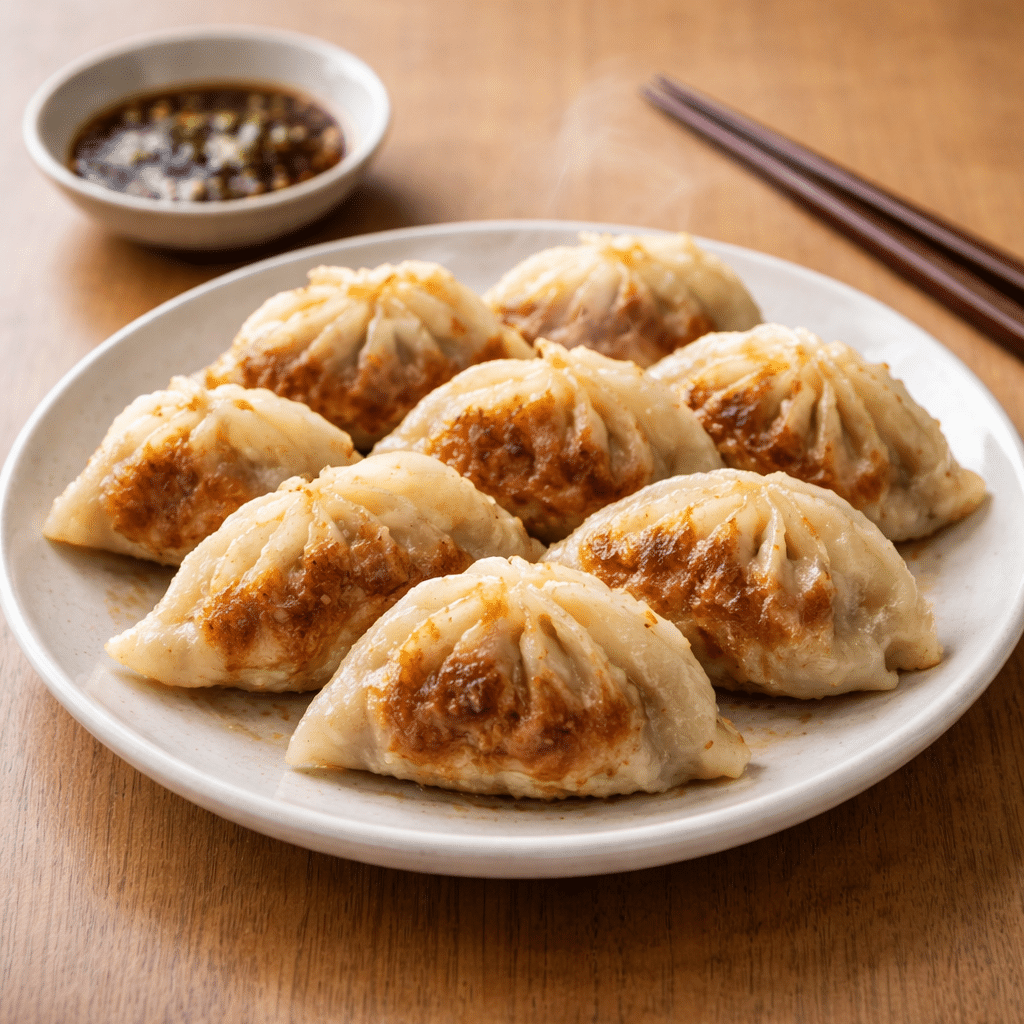
🎧 Pork and Kimchi Mandu Recipe: How Koreans Make Dumplings at Home ASMR Version:
A Small Taste of Korean Daily Life
Mandu is one of those foods that quietly weaves itself into everyday life in Korea. It waits in the freezer for busy weeknights, fills the table when relatives gather, and often becomes the first dish children learn to make with older family members.
People don’t reserve mandu for holidays—though big family batches often happen then. On regular evenings, it’s simply about wrapping a few dumplings for dinner, chatting as you go, and making enough to save for later. It’s comforting, familiar, and wonderfully adaptable, which is why it shows up in so many Korean kitchens.
This recipe is part of our broader guide to Korean food and everyday home cooking.
→ Korean Food: Home Cooking, Street Food, and Food Culture
How Koreans Really Make It at Home
Home‑style mandu-making is relaxed and intuitive. Measurements are rarely exact. If the filling looks too wet, more tofu or cabbage goes in. If it tastes a bit flat, soy sauce or sesame oil brings it back to life.
Cooking is just as flexible. Many prefer pan‑frying on high heat so the bottoms crisp before the filling overcooks. Steaming or boiling is common on busy days because it requires almost no attention. Whatever the method, the goal stays the same: a tender, flavorful interior with either a crisp or soft exterior, depending on the style.
Ingredients
Main Ingredients
- Mandu wrappers (round or square, store‑bought)
- Ground pork or a pork‑beef blend
- Firm tofu, squeezed dry
- Napa cabbage or regular cabbage, chopped
- Green onions
- Garlic
- Salt and pepper
- Sesame oil
Sauce Ingredients
- Soy sauce
- Vinegar
- Sesame oil
- Optional: gochugaru or sliced chili for heat
Step-by-Step Cooking
Step 1: Prepare the Filling
Lightly salt the cabbage, squeeze out as much water as possible, and mix it with pork, tofu, green onion, garlic, salt, pepper, and a little sesame oil. The mixture should be soft but not watery.
Step 2: Fill the Wrappers
Place a spoonful of filling in the center of each wrapper. Lightly wet the edge, fold in half, and press to seal. Pleats are optional—simple sealing works perfectly.
Step 3: Cook on High Heat
- For pan‑frying: Heat oil, place the mandu flat-side down, and cook until golden. Add a splash of water, cover, and steam until cooked through.
- For boiling: Drop dumplings into boiling water and cook until they float.
- For steaming: Steam for about 8–10 minutes.
Step 4: Mix the Dipping Sauce
Combine soy sauce, vinegar, and sesame oil. Add chili or gochugaru for extra heat.
Korean Cooking Tips
- Squeeze cabbage and tofu thoroughly to avoid soggy filling and bursting wrappers.
- Don’t overfill; smaller portions cook more evenly and seal more easily.
- When pan‑frying, let the bottoms brown properly before adding water.
How Koreans Enjoy Mandu
Mandu rarely appears alone on the table. It usually sits beside rice, kimchi, and whatever soup is simmering. Crispy pan‑fried mandu is a popular late‑night snack, while boiled mandu often becomes a simple next‑day soup.
Leftovers can go into stir‑fries, ramyeon, or quick fried rice. And nearly every household keeps frozen mandu on hand—a dependable standby for sudden hunger.
Variations
Less Spicy
Skip the chili and add a bit of sugar or water to soften the soy sauce.
Spicier
Add gochugaru to the filling or use a dipping sauce with sliced green chili and extra vinegar.
A Simple Alternative
Swap pork for finely chopped mushrooms and a bit more tofu for a light, vegetarian-style version that still keeps a Korean flavor profile.
A Gentle Closing
Making mandu at home offers a small pause in a busy day—a chance to slow down, wrap a few dumplings, and enjoy something warm and familiar. Once you try it, you can adapt the recipe to your own routine, just as many Korean families do. When you’re ready, there are countless everyday Korean dishes waiting to be explored, each carrying a little piece of daily life.

Ask Seoul Unnie
Still confused by Korean-only menus or everyday situations like this?
Ask Seoul Unnie — real, practical answers from someone living in Korea.
🍜 Korean Food Guides
This article is part of our Korean Food guide series for foreigners.
### Related Guides
Recommended for you
- Korean mandu wrappers – useful for making dumplings at home
- Korean sesame oil – adds the classic flavor in the filling and sauce
- Stainless steel steamer basket – helpful for steaming mandu
- Korean home cooking cookbook – ideas for more everyday Korean dishes
As an Amazon Associate, I earn from qualifying purchases.