
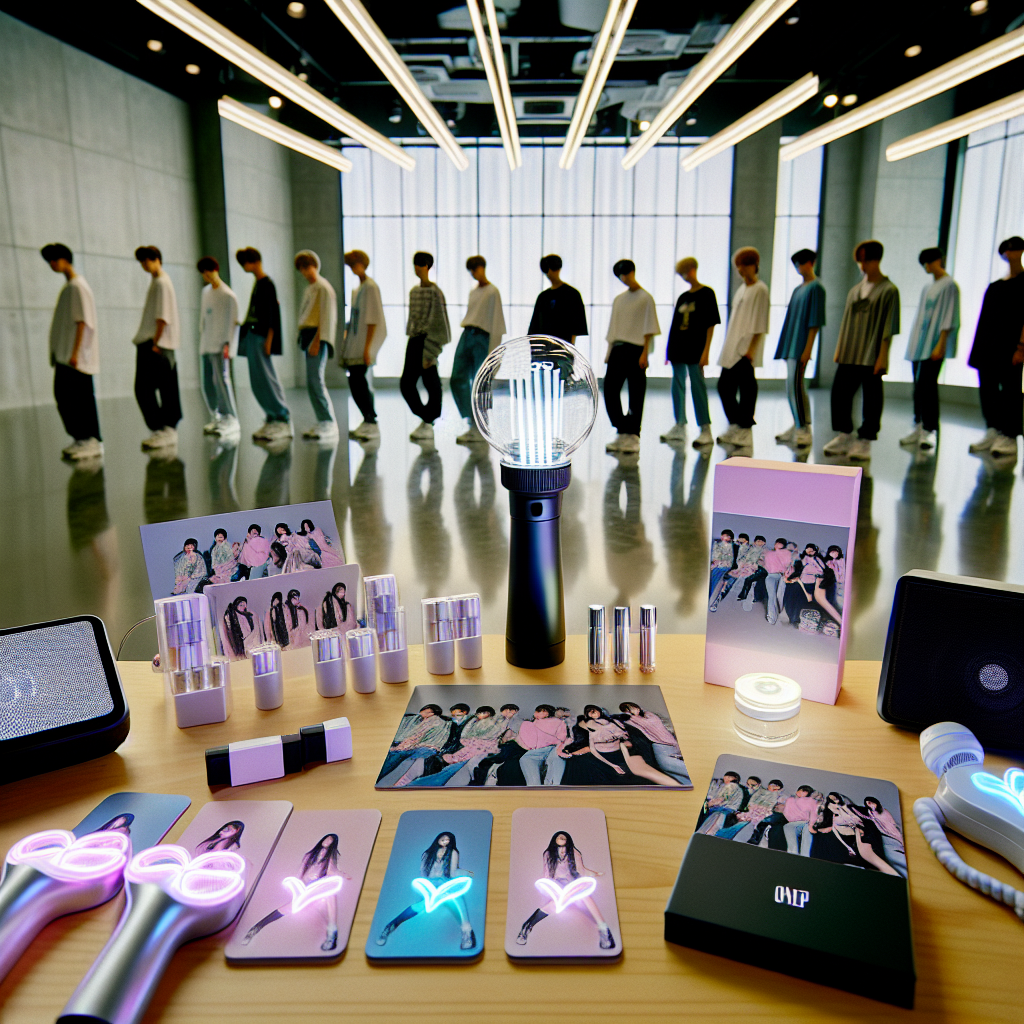
The Latest K‑Pop Comeback Trends: What’s New and Why It Matters
K‑pop’s release calendar is more energetic than ever, with new comeback patterns reshaping how fans experience music. From ultra‑short teaser schedules to story‑driven concepts, both major groups and fresh rookies are experimenting with strategies that stand out in a crowded market. These shifts reflect changes in global fan engagement, faster production cycles, and the growing importance of multi‑platform storytelling.
Q: What are the latest K-pop comeback trends?
A: Recent K-pop comeback trends focus on frequent digital releases, strong visual concepts, and global fan engagement rather than traditional album cycles.
What a “Comeback” Means in K‑Pop
In K‑pop, a comeback is a full promotional event rather than a simple song release. It usually includes:
- Teaser photos and videos
- Concept films
- Performance previews
- New visual themes and branding
Since the 2010s, these rollouts have shaped not just music trends but also fashion, online culture, and mainstream entertainment.
Earlier leaders like Girls’ Generation, BIGBANG, and EXO set the standard for ambitious, high‑budget comebacks. As K‑pop expanded globally, new groups began exploring more experimental formats. Today’s Fourth and Fifth Generation acts—such as NewJeans, LE SSERAFIM, BoyNextDoor, and BABYMONSTER—blend music, lore, social media, and fashion into cohesive narratives that resonate with both Korean and international audiences.
Fandom participation plays a major role. Streaming parties, viral clips, and TikTok challenges now help shape each comeback’s identity and reach.
What’s Happening Now: Key Trends
Recent comebacks show a clear shift toward faster, more digital‑focused strategies.
Shorter Promotional Schedules
Many rookies release teasers only a few days before launch. This condensed approach creates immediate hype and keeps fans from losing interest during long waiting periods.
Multi‑Version Storytelling
Albums now come in several versions, each offering different visuals or narratives. Fans trade theories online, building deeper engagement. Some groups even develop web‑novel style lore to enrich each member’s character.
Stronger Social Media Presence
Platforms like TikTok are filled with fan edits, choreography snippets, and behind‑the‑scenes clips—some shared officially, others teased through controlled leaks. These quick moments often go viral before the full music video drops.
Korean forums such as TheQoo and DC Inside frequently discuss these inventive tactics, noting how rookies use them to compete with established acts. Fans generally welcome the fresh direction, though some debate the pressures of rapid release cycles.
Why Fans in Korea and Abroad Care
For Korean Fans
Comebacks are cultural events. Music Bank and Inkigayo dominate weekend TV, and each stage sparks conversations about styling, vocals, and artistic growth. Fans enjoy comparing concepts and watching how groups evolve with each release.
For Global Fans
Interactive elements draw international audiences in. Many discover teasers through TikTok or YouTube Shorts, then explore deeper content through fan communities. Global fans often focus on:
- Streaming goals
- Viral challenges
- Social media trends
While Korean fans analyze groups side‑by‑side, global fans tend to celebrate each group individually.
Shared Excitement
Across the world, comebacks bring watch parties, countdowns, and group celebrations. These shared experiences help transform casual listeners into dedicated fans.
Cultural Significance and Industry Impact
The latest trends highlight how K‑pop is evolving for a digital‑first world. With growing competition and shorter attention spans, agencies are blending storytelling, visuals, and music more tightly than ever.
This shift points to:
- Faster release cycles
- Stronger visual and narrative identity
- Fan‑driven promotion
- Cross‑platform engagement (TikTok, Instagram, YouTube, Korean streaming apps)
Rookie groups often lead the experimentation, adding fresh energy to the industry and making K‑pop more accessible to new global audiences.
Related Trends to Watch
- More frequent comebacks—often 2–3 per year
- Music videos designed as short films or mini‑dramas
- Dance challenges dominating TikTok and Reels
- A surge in rookie debuts increasing market competition
Useful Korean Terms
- 컴백 (keom‑baek): comeback
- 티저 (ti‑jeo): teaser
- 팬덤 (paen‑deom): fandom
- 무대 (mu‑dae): stage performance
- 콘셉트 (kon‑septeu): concept
How International Fans Can Join In
- Watch teasers and music videos on YouTube or Korean broadcast channels
- Follow dance challenges and behind‑the‑scenes clips on social media
- Join fan communities on Reddit, Discord, or Twitter
- Track hashtags with group names and comeback slogans
- Stream new releases on major music platforms
Q: Why are newer K-pop groups changing comeback strategies?
A: Newer K-pop groups are changing comeback strategies to adapt to global streaming platforms and shorter attention spans.
Final Thoughts
Today’s comeback trends show how quickly K‑pop continues to evolve. Rookies introduce bold ideas, established groups refine their artistry, and fans worldwide help shape each release. With creativity and innovation driving the next era of music promotion, it’s an exciting time for anyone exploring K‑pop—no matter where they’re from.
📰 Korea Now
This article is part of our Korea Now guide series, where we explore what’s trending, changing, and being talked about in Korea right now — from K-pop and dramas to cultural moments and social trends.
Need useful tips for life in Korea?
These guides make daily life much easier:
- Daesung’s “Hando Chogua” MV Sets a New Debut Record with a Surprise Cameo
- Taeyeon Unveils “Panorama” Anthology Album with a New Lead Track
Recommended for you
- K-pop lightstick – great for fans of new groups
- K-pop photobook – enjoy high-quality images of idols
- Korean pop culture guidebook – learn how the industry evolves
- K-pop poster set – simple decor for fans of new groups
As an Amazon Associate, I earn from qualifying purchases.