
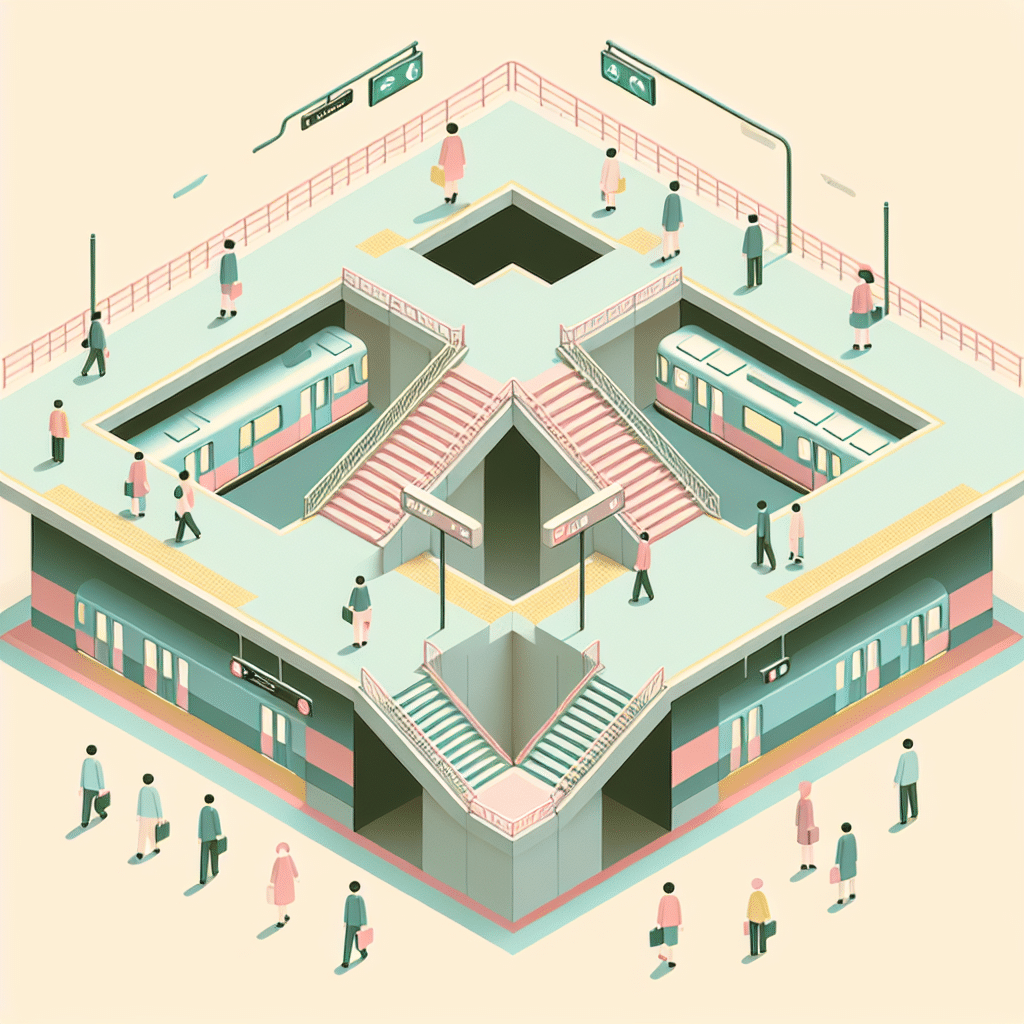
Moving Smoothly Through Korea’s Busiest Subway Stations
Navigating Korea’s fast-paced subway system can feel overwhelming at first, especially during rush hour. With a few simple habits, you can blend into the natural flow, avoid blocking others, and feel more confident as you move through stations each day.
What This Tip Helps You With
Imagine you’re taking the stairs at Hongik Univ. Station during a busy moment. People are rushing past, and you’re not sure which side to use. This guide helps you understand the unwritten movement rules that locals follow, making crowded stations easier and far less stressful.
Why These Habits Matter in Korea
Major stations move tens of thousands of people in minutes. To keep everything working smoothly, commuters rely on shared etiquette: staying in designated lanes, giving space for passengers to exit, and stepping aside when stopping. These small behaviors keep everyone moving efficiently.
Understanding these patterns helps you avoid misunderstandings, appear considerate, and feel more at ease in high-traffic areas.
How to Apply This in Real Life
1. Use the Correct Side of Stairs or Escalators
- Most stations follow a keep-right flow.
- Go up and down on your right unless arrows indicate otherwise.
2. Step Aside When You Need to Stop
- Move to the wall or railing if checking your phone or map.
- Never pause at the top or bottom of stairs.
3. Stand to the Side at Train Doors
- Leave the center clear so passengers can exit first.
- Enter calmly once the path is open.
4. Keep Walking After Tapping Your Card
- Maintain your pace instead of slowing down at the gate.
5. Follow Floor Arrows and Crowd Movement
- Arrows show where lines form and which lane to use.
- Matching the flow prevents collisions and confusion.
6. On Escalators, Stand Right, Walk Left
- The right side is usually for standing.
- During peak hours, both sides may become standing zones, but the right-side rule still generally applies.
Real Situations You’ll Encounter
1. Morning Rush on a Busy Escalator
Samseong Station often splits into stand-right, walk-left lanes.
Roleplay phrase: “죄송합니다, 지나갈게요.” (Excuse me, I’ll pass.)
2. Long Transfer Corridors
At Seoul Station, arrows divide walking lanes. Following them keeps you from bumping into oncoming crowds.
3. Waiting at the Train Door
At Myeong-dong, locals form two neat lines on each side of the door, leaving the middle open.
Roleplay phrase: “먼저 내리세요.” (Please get off first.)
4. When Your Transit Card Doesn’t Register
If your card fails at the gate, step aside and try again.
Roleplay phrase: “잠시만요.” (One moment.)
5. Exiting a Packed Train
At Gangnam, passengers move quickly the moment doors open. Walk forward right away so others can exit behind you.
Extra Tips and Things to Watch Out For
- Some stations use unique markings—always follow the arrows on the floor.
- Late at night, crowds thin out, but it’s still best not to stand in the middle of pathways.
- Elderly passengers may move slowly; give them space.
- If you’re lost, step aside before opening your map.
- Avoid rushing through closing doors; platform safety doors move quickly.
- Don’t pause in front of a card gate while deciding which gate to use.
- If you have luggage, keep it close to the side or behind you.
- In crowded transfer tunnels, walk single file rather than side by side.
- When trains are full, passengers naturally move inward. Follow their lead rather than stopping at the doorway.
- After stepping off an escalator, keep moving forward before checking directions.
Why Travelers Appreciate These Tips
Learning Korea’s movement etiquette makes daily travel smoother and helps you feel connected to the country’s rhythm. These habits reflect the quiet cooperation that keeps public spaces running efficiently. Whether you’re living in Korea or visiting for the first time, understanding the flow reduces stress and makes commuting faster and more pleasant.
Closing Thoughts
Korea’s subway stations may feel intense at first, but once you understand how people move, the system becomes one of the easiest in the world to navigate. Try these simple habits on your next trip underground, and enjoy moving through Korea with confidence and ease.
Need useful tips for life in Korea?
These guides make daily life much easier:
- How to Use 택배 보관함 in Korea (Never Miss a Delivery)
- How to Use Kakao T Smart Call to Avoid Taxi Refusals
Recommended for you
- Korean Travel Guidebook – helpful for navigating stations and cities
- RFID Travel Card Holder – keeps your transit card easy to access
- Compact Travel Backpack – ideal for moving through crowded stations
- Korean Phrasebook – useful for simple phrases in busy transit areas
As an Amazon Associate, I earn from qualifying purchases.