
Autumn in South Korea: A Season of Color and Calm
South Korea in autumn has a way of slowing everything down. The air turns crisp, the mountains glow in warm shades of red and gold, and familiar landscapes suddenly feel cinematic. For many travelers, it is the most beautiful time to experience the country, especially across Seoraksan, Naejangsan, and Jeju’s Hallasan Mountain.
Seoraksan: Rugged Peaks and Radiant Forests
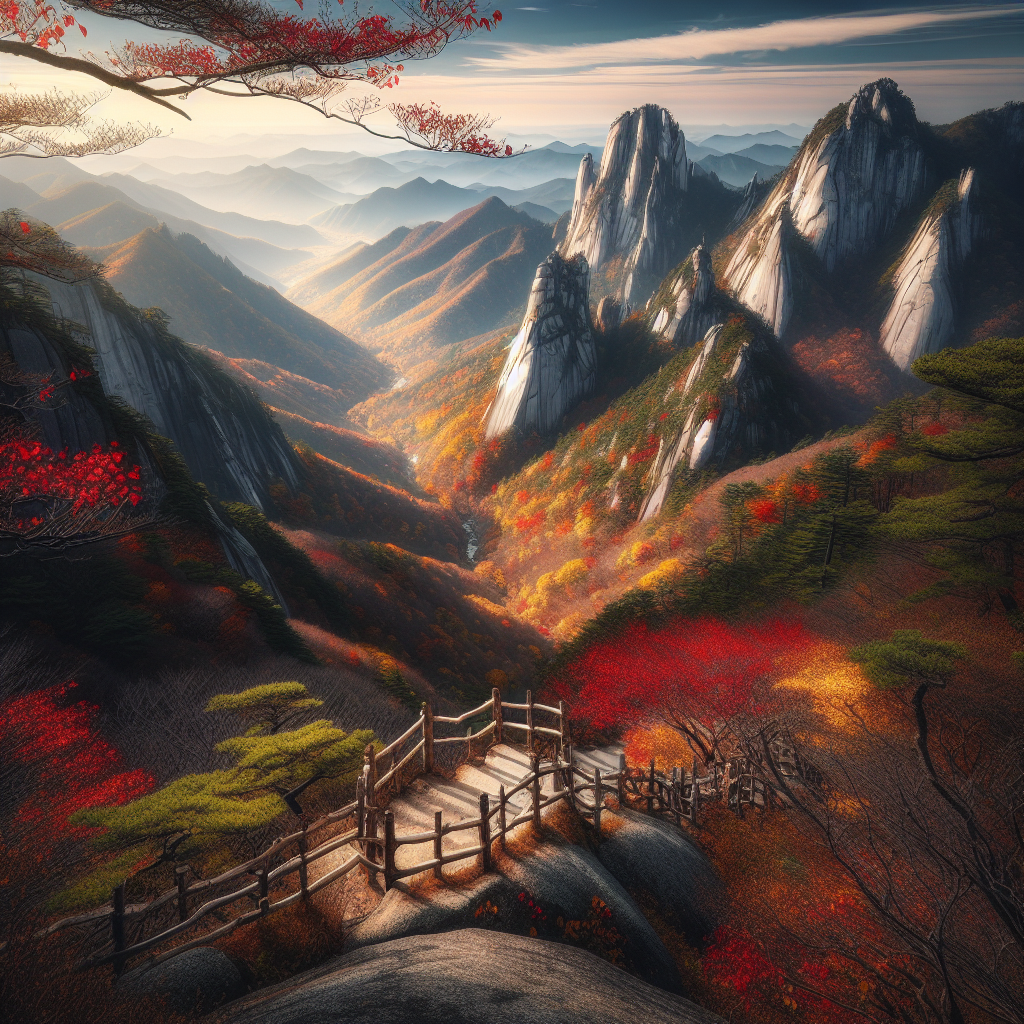
Seoraksan National Park, on the northeast coast, is often the first image people imagine when thinking of Korean autumn scenery. Its granite peaks rise sharply above deep valleys and forests that shift from gentle green to a vivid collage of crimson and orange. While well known among locals, it continues to feel like a discovery for many visitors.
What makes Seoraksan so striking in peak foliage season is the contrast. Jagged gray spires tower above colorful woods that look almost painted. Trails such as Ulsanbawi and Biseondae offer sweeping views where entire valleys glow in layered tones. Even the lower paths feel rich with color, with maple leaves drifting onto wooden bridges and streams reflecting amber light. Clear signage and shuttle routes near the entrance make the experience surprisingly accessible for first-time travelers.
A typical autumn morning begins quietly. Sunlight slips through the branches, and the air stays cool enough to feel refreshing. As you follow the stone paths upward, the forest gradually opens to broad viewpoints where ridgelines fade into soft blue haze. High above, silhouettes of hikers move along narrow cliffside trails, giving a sense of scale to the dramatic landscape. This blend of rugged terrain and vibrant leaves reflects a deep connection to the mountains that is central to Korean travel culture.
Naejangsan: Soft Valleys and Maple Tunnels
Farther south, Naejangsan National Park reveals a gentler kind of beauty. While Seoraksan is wild and rocky, Naejangsan is known for calm temples, graceful valleys, and exceptionally dense maple forests. By late October or early November, the entire park turns red—often more intensely than anywhere else in the country. Long avenues of fiery maple trees form natural tunnels, and still ponds mirror the colors like glass.
Naejangsan has long been loved by local travelers for peaceful family outings and scenic, unhurried walks. International visitors often appreciate how easy it is to enjoy without strenuous hiking. Much of the most vibrant foliage appears near the entrance areas, and temples such as Naejangsa and Baegyangsa offer serene cultural stops framed by the season’s brightest textures. Visitors often pause on wooden bridges to watch leaves drift across the water or wander slowly through groves where golden light filters down through the canopy.
Hallasan: Jeju’s Volcanic Calm
Jeju’s Hallasan Mountain, rising from the center of the island, offers a rhythm entirely its own. This dormant shield volcano features broad slopes, alpine lakes, and crater-rim views. In autumn, color spreads upward from the lower forests, forming wide, gentle bands around the mountain. Because of its symmetrical shape, the foliage often appears as soft circular gradients of green, gold, and rusty red. Combined with Jeju’s fresh coastal air, the atmosphere feels distinct from the mainland.
Hallasan’s trails vary in difficulty, yet even the easier routes offer memorable scenery. Walkers pass wind-swept grasslands, clusters of volcanic rock, and lookout points that reveal the island’s wide horizon. The peaceful atmosphere and lighter crowds create a relaxed pace. Many travelers pair a Hallasan hike with other seasonal experiences on Jeju, from citrus orchards to quiet coastal roads to warm bowls of local seafood soup after a long day outdoors.
A Shared Sense of Seasonal Life
Seoraksan, Naejangsan, and Hallasan reveal a shared story about Korea’s relationship with nature. Autumn is both a season of color and a season of reflection. Mountains become social spaces, yet still feel deeply personal. Watching a valley shift into warm tones or feeling the temperature cool as you climb connects visitors to the rhythm of everyday life in Korea. It is one reason the country becomes so lively each fall, with people planning weekend escapes as soon as foliage forecasts appear.
Travelers often remark on how grounding the experience feels. Trails are generally well maintained, transportation is convenient, and the scenery is dramatic without demanding extreme effort. Whether you stand on a high ridge in Seoraksan, wander a maple-lined path in Naejangsan, or slowly ascend Hallasan toward its crater lake, the landscapes feel welcoming and accessible. The shared appreciation for beauty makes it easy for visitors to feel part of a tradition locals cherish year after year.
Planning Your Autumn Journey
A little preparation goes a long way. Mountain weather can shift quickly, so packing layers is helpful. Visiting early in the morning often provides softer light, quieter trails, and smoother logistics. Checking seasonal foliage updates can also help you catch the colors at their peak. Above all, take your time. Korean mountains reward a relaxed pace, where pauses at viewpoints become part of the experience.
A Season That Stays With You
Autumn in South Korea offers a rare mix of ease and grandeur. The rocky drama of Seoraksan, the gentle artistry of Naejangsan, and the volcanic sweep of Hallasan each capture the season in a distinct way. For many international travelers, these landscapes become the moments they remember most—long after the leaves have fallen and the journey has ended.