
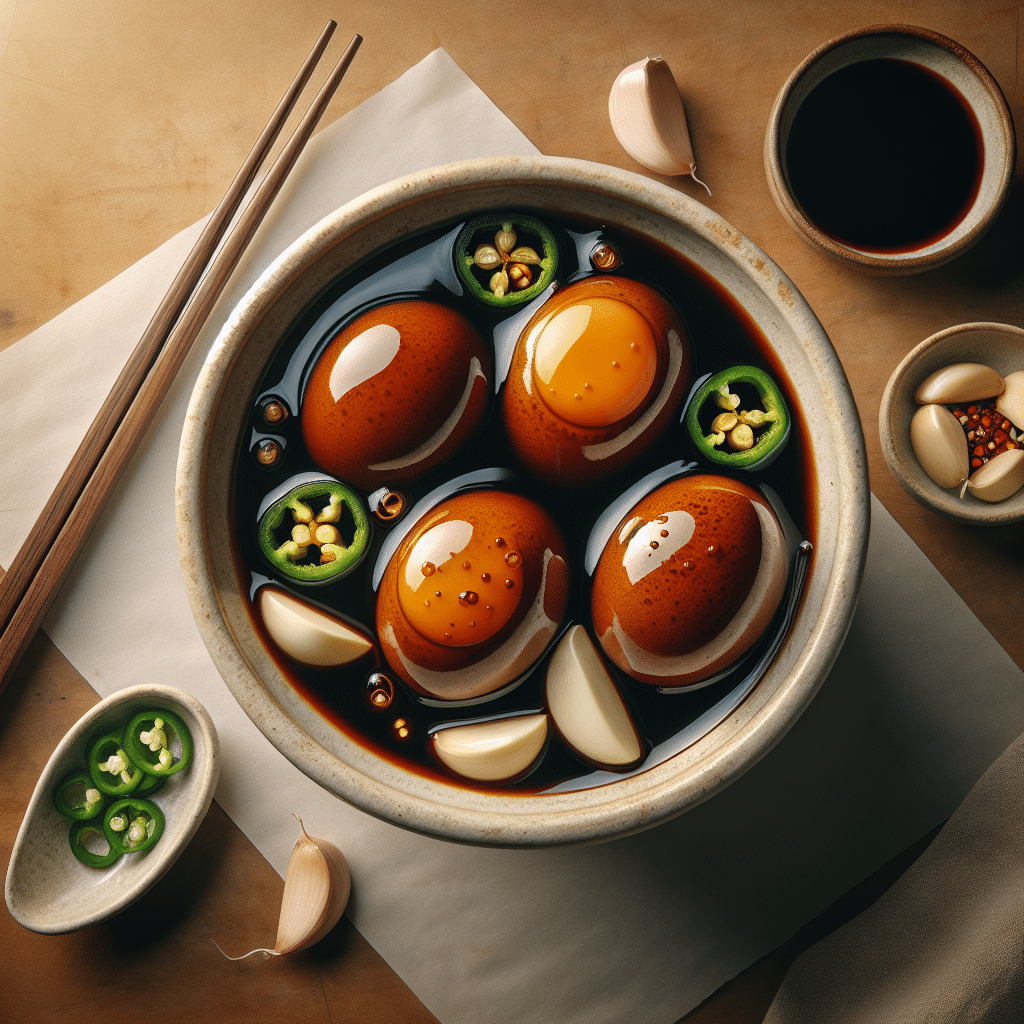
🎧 Easy Korean Soy-Braised Eggs (Gyeran Jangjorim) Recipe: A Simple, Savory Side Dish You Can Make at Home ASMR Version:
Easy Korean Soy-Braised Eggs (Gyeran Jangjorim)
A bowl of glossy, soy-braised eggs has a gentle way of turning an everyday meal into something warm and comforting. Easy Korean Soy-Braised Eggs, known as gyeran jangjorim, capture the heart of Korean home-style cooking: simple ingredients, bold flavor, and effortless versatility. For anyone curious about Korean cuisine, this dish is an inviting place to begin.
What Makes It Special
Gyeran jangjorim is a classic Korean banchan often found in lunchboxes and family kitchens. Its charm comes from the balance of salty soy sauce, subtle sweetness, and a hint of heat that slowly seeps into each egg. The braising liquid creates a beautiful shine, while jammy or medium-set yolks hold onto deep layers of flavor.
It’s also wonderfully adaptable. Serve it with rice, tuck it into a lunchbox, or enjoy a protein-rich snack straight from the fridge. Its simplicity is exactly why it remains beloved in Korea and continues to gain fans around the world.
Key Ingredients
- Eggs (soft-, medium-, or hard-boiled)
- Soy sauce (a mix of light soy; optional splash of dark soy for color)
- A touch of sugar or honey
- Water or broth to balance the saltiness
- Lightly crushed garlic cloves
- Green chilies or mild peppers for gentle heat
- Optional aromatics: onion, dried kelp, black pepper
- Scallions for finishing
How to Make It
1. Boil the eggs
Cook the eggs to your preferred doneness. Soft or medium yolks absorb the sauce beautifully, but any texture works. Cool in cold water and peel.
2. Prepare the braising liquid
Combine soy sauce, water or broth, sugar, garlic, and chilies in a small pot. Warm gently until the sugar dissolves and the mixture begins to simmer.
3. Add the eggs
Place the peeled eggs into the simmering liquid. Let them sit briefly so the flavors begin to infuse. For stronger flavor, let them soak longer off the heat.
4. Taste and adjust
Add more water for a lighter taste or a bit more sweetness if you prefer. Families often adjust jangjorim to suit their usual meals, so feel free to personalize it.
5. Finish with scallions
Add thinly sliced scallions just before cooling for a fresh, aromatic finish.
6. Cool and store
The dish tastes even better the next day. Keep the eggs submerged in the sauce in the refrigerator to deepen the flavor.
Tips, Variations, and Serving Ideas
- Enjoy with hot rice as a classic banchan.
- Add tofu cubes or mushrooms for extra texture.
- Skip the chilies for a mild, garlic-forward version.
- Pack it in a lunchbox—jangjorim tastes great even when cold.
- Use the leftover sauce over rice or noodles.
- For deeper aroma, lightly toast the garlic before adding the liquids.
- Experiment with different soy sauces for color and flavor balance.
- Adjust sweetness depending on the dishes you’re serving it with.
Why People Love It Around the World
Gyeran jangjorim reflects the soul of Korean home cooking: unfussy ingredients, thoughtful balance, and reliable comfort. It’s approachable for beginners because the ingredients are familiar and the method is simple. At the same time, it offers a glimpse into Korean flavor philosophy—sweet, salty, savory, and gently spicy working together in harmony.
As Korean food continues to gain global attention, this dish fits seamlessly into modern kitchens. Eggs and soy sauce are universal, and the recipe is flexible enough for busy schedules. Whether you’re exploring Korean cuisine or looking for a new meal-prep staple, gyeran jangjorim is an easy, flavorful addition to your routine.
A Small Dish With Big Comfort
Despite its modest appearance, gyeran jangjorim carries the warmth of a Korean family table. Make a batch, let the flavors develop overnight, and enjoy how naturally it becomes part of your weekly meals—simple, savory, and satisfying.
Let this comforting dish be a delicious first step into the wider world of Korean cooking.
🍜 Korean Food Guides
This article is part of our Korean Food guide series for foreigners.
Need useful tips for life in Korea?
These guides make daily life much easier:
- Authentic Korean Food Guide: Must-Try Dishes, Street Eats, and Comfort Classics
- Korean Steamed Eggs (Gyeran-jjim): A Soft and Comforting Classic Explained
Recommended for you
- Korean soy sauce for cooking – great for making jangjorim
- Korean pantry ingredient set – handy for stocking key sauces
- Korean side dish containers – useful for storing braised eggs
- Korean home cooking cookbook – more easy banchan recipes
As an Amazon Associate, I earn from qualifying purchases.