
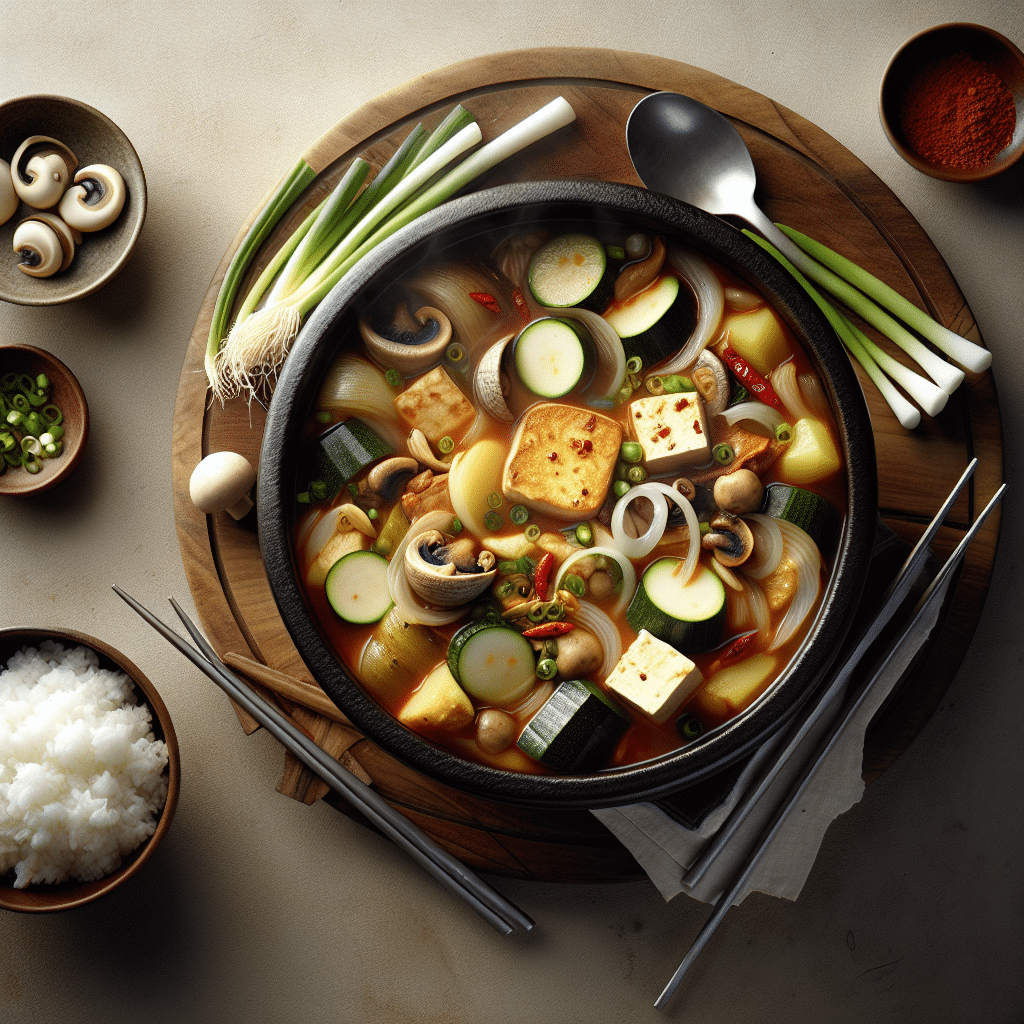
🎧 Doenjang Jjigae Recipe: How Koreans Make It at Home ASMR Version:
A Warm Introduction to Doenjang Jjigae
Doenjang jjigae is one of those everyday dishes that rarely gets treated as “special” in Korea—yet it holds a quiet kind of comfort. It’s the stew people make when they’re hungry, short on time, or trying to use up vegetables in the fridge. Many grow up eating it several times a week. The moment it starts bubbling, the whole kitchen fills with a familiar, homey scent.
It’s the kind of meal cooked after work, while chatting with family, or whenever you want something warm without much effort. Simple, grounding, and deeply woven into daily life.
How It’s Actually Made at Home
Home cooks don’t measure much when making doenjang jjigae. A spoonful of soybean paste goes into boiling water, then everything gets adjusted by taste. It’s instinctive—strong at first, then naturally balanced by vegetables and tofu as they cook.
The heat stays high. A bold boil helps the earthy paste open up quickly, giving the stew its signature aroma.
Ingredients usually depend on what’s available: tofu, onion, zucchini, potato, maybe a bit of protein. It’s flexible, forgiving, and perfect for beginners.
Ingredients
Main Ingredients
- Water or broth
- Doenjang (Korean soybean paste)
- Tofu
- Zucchini
- Onion
- Potato (optional)
- Green chili or scallion
- Garlic
Seasoning
- Gochugaru (optional)
- Soup soy sauce or fish sauce
Step-by-Step Cooking
Step 1: Bring the base to a strong boil
Heat water or broth in a small pot. When it boils, stir in the doenjang until fully dissolved. Keep the heat high.
Step 2: Add vegetables that take longer
Add onion and potato first. Boil until they begin to soften. The stew should taste a bit salty at this stage.
Step 3: Add fast-cooking vegetables and tofu
Add zucchini, garlic, tofu, and gochugaru if you want spice. Let everything boil until the tofu absorbs the flavor.
Step 4: Finish with fresh toppings
Add green chili or scallion. Boil for one final minute, then turn off the heat.
Helpful Korean Cooking Tips
- Doenjang varies widely in saltiness and strength. Start small, taste, and adjust as it boils.
- If the flavor feels flat, a splash of soup soy sauce or fish sauce brightens the broth.
- Boiling uncovered at first helps the aroma deepen and rounds out the paste’s sharp edges.
How Koreans Enjoy It
The pot often goes straight from the stove to the table, still bubbling, alongside warm rice. People usually eat a spoonful of rice, then a spoonful of stew—alternating until both are gone. It’s relaxed and cozy.
Leftovers are common, and the flavor gets richer overnight. Many simply add more water and vegetables the next day to stretch it into a new meal. It changes slightly each time, which is part of its charm.
Variations
Less spicy
- Skip gochugaru and chili.
- Add extra onion or potato for natural sweetness.
Spicier
- Add an extra green chili or a spoon of gochujang.
Alternative option
- Replace tofu with mushrooms for a deeper, savory flavor.
A Gentle Closing
Cooking doenjang jjigae at home offers a small window into Korean everyday life—simple, warm, and unpretentious. Make it a few times, adjust it to your style, and soon you’ll find yourself cooking it the same way many Koreans do: naturally, and without thinking too much about it.
🍜 Korean Food Guides
This article is part of our Korean Food guide series for foreigners.
### Related Guides
Spam mayo rice bowl captures the everyday Korean home-style meal that many locals grew up loving.
Recommended for you
- Korean Doenjang Paste – needed for making authentic stew
- Korean Ttukbaegi Pot – great for boiling and serving jjigae
- Korean Gochugaru Flakes – adds optional heat and flavor
- Korean Home Cooking Cookbook – helpful for learning everyday dishes
As an Amazon Associate, I earn from qualifying purchases.