
🎧 Korean Braised Lotus Root Recipe: How Koreans Make It at Home ASMR Version:
A Small Slice of Korean Everyday Cooking
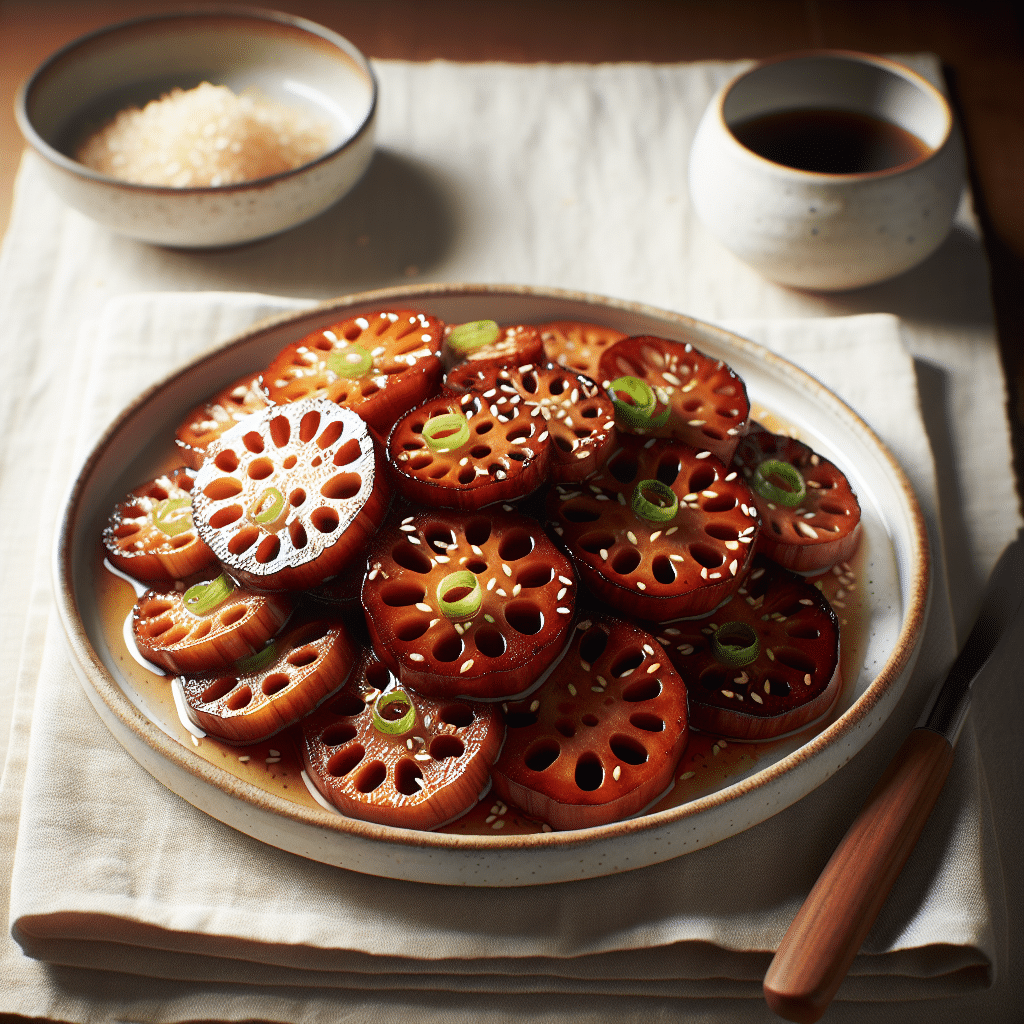
If you’ve ever eaten at a Korean home or opened a lunchbox in Korea, there’s a good chance you’ve seen glossy brown slices of lotus root tucked neatly beside rice. Korean braised lotus root, called yeongeun jorim, isn’t just a side dish—it’s a quiet staple of everyday Korean meals. Sweet, savory, and slightly crunchy, this dish is often made in advance and enjoyed over several days, making it a favorite for busy home cooks.
This dish is featured as part of our collection of classic Korean home cooking guides.
→ Korean Food: Home Cooking, Street Food, and Food Culture
How It’s Made in Real Korean Kitchens
This dish is usually cooked with an easygoing, intuitive approach. Precise measurements are rare—soy sauce is poured freely, sweetness is adjusted as the pot simmers, and the look of the glaze is often the real guide. Lotus root is first boiled to soften its raw firmness, then simmered again with a simple sauce until shiny and lightly chewy.
The philosophy at home is straightforward:
- Keep ingredients minimal.
- Let heat do the work.
- Coat the lotus root instead of drowning it in sauce.
- Stop cooking as soon as the glaze turns glossy and thick.
Ingredients
Main Ingredients
- Lotus root (peeled and sliced)
- Water
- A splash of vinegar (optional, for boiling)
Sauce Ingredients
- Soy sauce
- Sugar or rice syrup
- Minced garlic
- Sesame oil
- Toasted sesame seeds
Step-by-Step Cooking
1. Boil the lotus root
Blanch the slices in water, adding a little vinegar if you want to keep them bright.
Cook until slightly tender but still firm.
2. Start the glaze
Drain and move the lotus root to a pan.
Add soy sauce, sugar, garlic, and just a little water—only enough to cover the bottom of the pan.
3. Reduce over medium-high heat
Let the mixture bubble until it thickens into a shiny glaze.
Stir now and then so the slices absorb the flavor evenly.
4. Finish with aroma
Turn off the heat.
Drizzle in a bit of sesame oil and finish with toasted sesame seeds.
Korean Cooking Tips
- Keep the texture firm—slightly crunchy is the goal.
- Use only a shallow amount of liquid to avoid long reduction times.
- Make it slightly sweeter than savory for the classic home-style taste.
How Koreans Enjoy It
Braised lotus root sits comfortably beside rice, kimchi, and a main dish. Because it keeps well and holds its texture, many families make a generous batch to enjoy over several days. It’s popular in lunchboxes and stays glossy even after refrigeration.
Leftovers also slip easily into bibimbap or mix beautifully with warm rice for a quick meal. Some even enjoy it as a small, sweet-salty snack with tea.
Variations
- Milder version: Stick with soy sauce, sugar, garlic, and sesame oil.
- Spicy version: Add gochugaru or a small spoon of gochujang during the reduction.
- Colorful option: Add sliced carrots to cook alongside the lotus root.
A Gentle Closing
Korean home cooking is full of simple, steady dishes like this—quiet flavors made for everyday meals and shared tables. If you enjoy preparing braised lotus root, you may find yourself exploring more small banchan that bring a bit of Korean daily life into your own kitchen.

Ask Seoul Unnie
Still confused by Korean-only menus or everyday situations like this?
Ask Seoul Unnie — real, practical answers from someone living in Korea.
🍜 Korean Food Guides
This article is part of our Korean Food guide series for foreigners.
### Related Guides
Spam mayo rice bowl captures the everyday Korean home-style meal that many locals grew up loving.
Recommended for you
- Pre‑sliced lotus root – easy for making banchan at home
- Korean soy sauce – key seasoning for the glaze
- Toasted sesame oil – adds aroma at the end
- Korean side dish cookbook – ideas for more simple banchan
As an Amazon Associate, I earn from qualifying purchases.