
🎧 Easy Janchi Guksu: Korean Party Noodle Recipe for Effortless, Crowd-Pleasing Feasts ASMR Version: Watch on Seoul Unnie
Janchi Guksu: A Warm, Comforting Bowl for Any Day
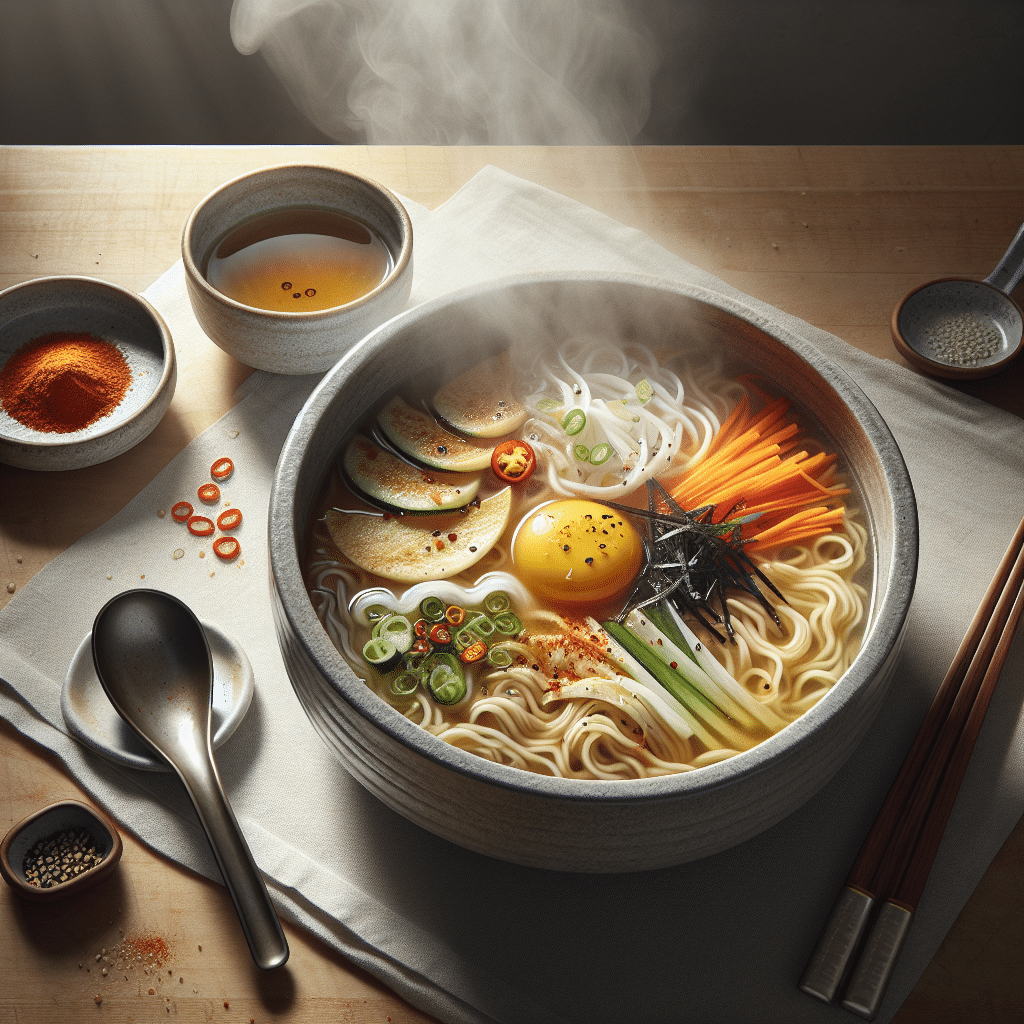
A warm bowl of janchi guksu feels like an invitation—light, comforting, and full of color. Traditionally known as “banquet noodles,” this classic Korean dish has been part of celebrations for centuries. Today, it’s also one of the easiest Korean noodle soups to make at home, even for beginners.
What Makes Janchi Guksu Special
Janchi guksu is often served at weddings, birthdays, and gatherings, symbolizing long life and good fortune. Despite its festive roots, the dish is humble and soothing. A clear, savory broth poured over tender noodles becomes a backdrop for bright, fresh toppings. Each bowl is simple, personal, and easy to adapt to your own kitchen.
You’ll find gentle, balanced flavors here:
- A clean anchovy broth
- Soft wheat noodles
- Crisp vegetables
- Fragrant egg ribbons
- A touch of seaweed or sesame
It looks beautiful, tastes comforting, and requires only a few everyday ingredients.
Ingredients
Below is a flexible list of ingredients and optional add‑ons to customize your bowl.
- Dried thin somyeon (Korean wheat noodles)
- Anchovies and a small piece of dried kelp
- Light soy sauce, fish sauce, or salt
- Garlic, green onions, and optional sliced chili
- Eggs for thin jidan (egg garnish)
- Vegetables such as carrots, zucchini, cucumbers, spinach, or mushrooms
- Gim seaweed, sesame seeds, chili flakes
- A little sesame oil or a soy-based seasoning sauce (yangnyeom jang)
How to Make It at Home
1. Prepare the broth
Simmer dried anchovies and kelp in water until the flavor becomes clear and savory. Remove the anchovies and kelp before the broth turns too strong. Season lightly with soy sauce, salt, or fish sauce.
2. Prep the vegetables
Julienne carrots and zucchini into thin strips. Lightly sauté or blanch them so they stay bright and crisp. Prepare any other toppings you like, such as mushrooms or blanched spinach.
3. Make the egg garnish
Beat eggs with a pinch of salt. Cook in a thin layer in a lightly greased pan to make a soft crepe. Slice into fine yellow ribbons.
4. Cook the noodles
Boil the somyeon until tender. Rinse under cold water to remove excess starch and prevent them from sticking.
5. Assemble your bowl
Place the noodles in a serving bowl. Neatly arrange vegetables, egg ribbons, seaweed, and scallions on top. Gently pour the hot broth over the noodles.
6. Optional flavor boosts
Add a spoonful of seasoning sauce, a drizzle of sesame oil, chili flakes, or sliced chili if you prefer more depth or heat.
Tips, Variations, and Serving Ideas
- Add clams or shrimp for a seafood twist.
- For a vegetarian version, replace anchovy broth with a light vegetable and kelp broth.
- Top with kimchi for bright, tangy contrast.
- Prepare extra toppings in advance for quick assembly anytime.
- Serve with simple banchan like pickled radish or seasoned cucumber.
- For guests, set toppings out buffet-style so everyone can build their own bowl.
- For a deeper broth, simmer anchovies with onion, garlic, or radish before straining.
Why People Love It Around the World
Janchi guksu captures the warmth of Korean hospitality. Once a celebratory dish shared at important life events, it still brings people together with its gentle flavors and meaningful symbolism.
International fans often discover it through travel, Korean cooking trends, or dramas. Its universal appeal comes from:
- A light, clear broth
- Simple ingredients
- No overwhelming spice
- Easy customization for all diets
As more people embrace nourishing, lighter meals, janchi guksu offers comfort without heaviness—a dish that invites you to slow down and enjoy something warm and thoughtful.
Closing
Janchi guksu is simple, colorful, and full of heart. Whether you’re feeding a group or enjoying a quiet meal by yourself, these banquet noodles offer a comforting taste of Korean warmth. Try it once, adjust it to your style, and enjoy the timeless spirit behind one of Korea’s most beloved noodle dishes.
🍜 Korean Food Guides
This article is part of our Korean Food guide series for foreigners.
Want to explore more delicious Korean food?
Here are must-try dishes you’ll love:
- Injeolmi Cream Croissant – Addictive Korean Bakery Treat
- Easy Gyeran Bap – Ultimate Korean Egg Rice Comfort Bowl
Recommended for you
- Korean somyeon noodles – perfect for making janchi guksu
- Anchovy broth packs – easy base for a clear, light soup
- Gim seaweed sheets – great for topping your bowl
- Korean sesame oil – adds a warm finishing flavor
As an Amazon Associate, I earn from qualifying purchases.