
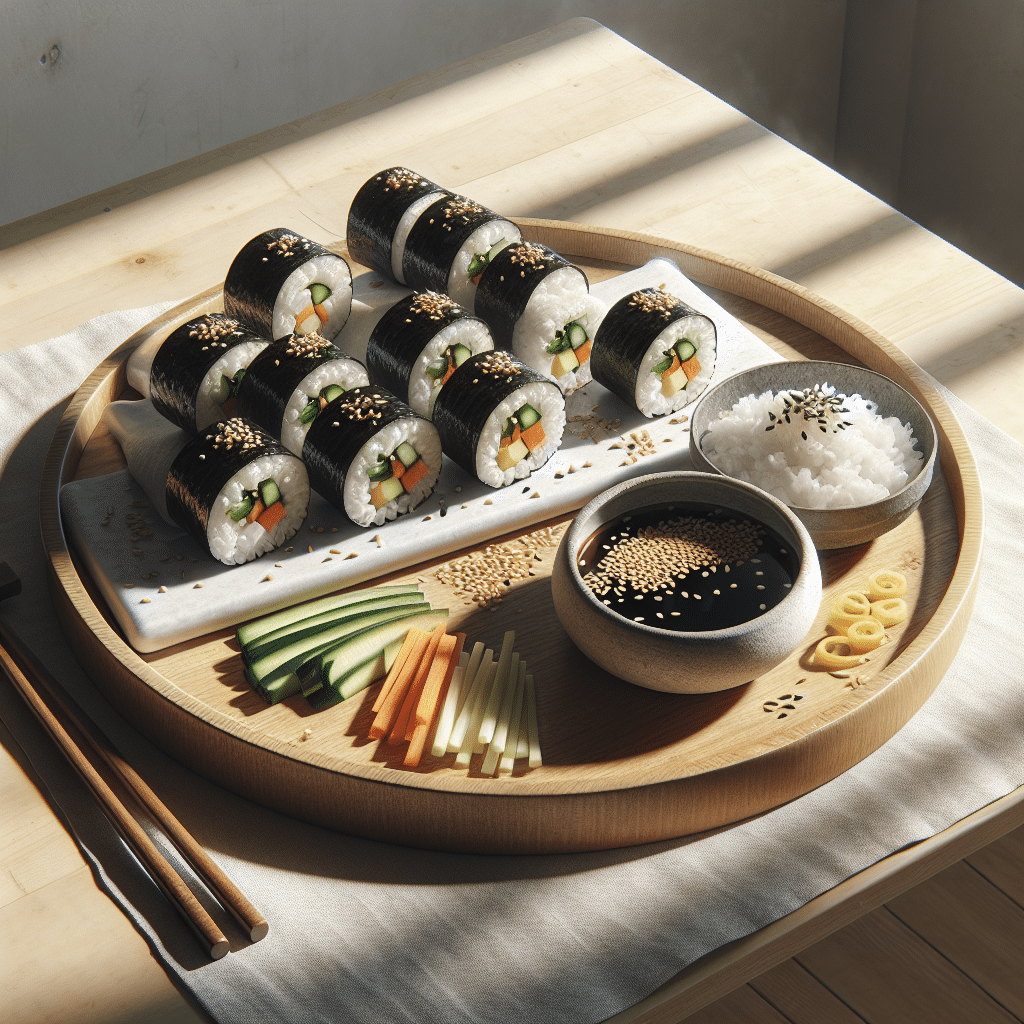
Mayak Gimbap: The Little Korean Rolls Everyone Falls in Love With
If you’ve ever wondered why people call mayak gimbap “addictive,” the answer becomes clear the moment you try one. These tiny seaweed rice rolls are savory, lightly sweet, and incredibly easy to snack on. They’re simple to make, fun to customize, and a welcoming introduction to everyday Korean food culture.
What Makes Mayak Gimbap Special
Mayak gimbap originated in Seoul’s famous Gwangjang Market, where both locals and travelers line up for these bite-sized rolls. Unlike full-sized gimbap, these mini versions focus on clean, fresh flavors: warm rice, crunchy vegetables, and the nutty aroma of sesame. A soy-based dipping sauce ties everything together with a bold, satisfying punch.
Common Ingredients
Dipping sauce ingredients: soy sauce, sugar/honey, garlic, chili & a splash of vinegar/water
Roasted gim (seaweed) sheets cut into small pieces
Cooked short-grain rice, lightly seasoned
Julienned carrot, cucumber, and danmuji (pickled radish)
Optional fillings: spinach, imitation crab sticks, perilla leaves, thin egg strips
Sesame oil + toasted sesame seeds
How to Make It at Home
- Prepare vegetables by slicing thinly. Blanch if needed.
- Season warm rice with a little salt or seasoned vinegar.
- Place rice on seaweed, add fillings, and roll tightly.
- Cut into bite-size pieces and brush lightly with sesame oil.
- Sprinkle sesame seeds on top — shine and flavor both improve!
- Serve with soy dipping sauce and enjoy instantly.
Tips & Variations
- Add cheese or tuna mayo for a modern twist.
- Use perilla leaves for stronger aroma & herbal flavor.
- Kids version → reduce spice, add sweet soy glaze.
- Perfect for picnics, lunchboxes, late-night snacks!
Why People Love It Worldwide
Mini, fun to eat, visually cute — mayak gimbap fits perfectly into global snack culture. Food travelers often start with tteokbokki or hotteok, and mayak gimbap naturally becomes their next favorite bite. Whether enjoyed at a traditional market or made at home, this dish captures the balance of Korean flavors: sweet, salty, savory, and comforting.
Closing
Korean street toast is friendly, flavorful, and wonderfully easy to make. Whether you’re new to Korean cuisine or simply looking for a satisfying breakfast idea, this humble sandwich brings warmth to any morning. Enjoy your first bite — and welcome to a delicious part of Korea.
Want to explore more delicious Korean flavors?
Check out these popular dishes you’ll love:
Recommended for you
- Korean gimbap rolling mat – helps roll tight mini gimbap
- Korean roasted seaweed sheets – essential for mayak gimbap
- Korean-style rice cooker – makes consistent sticky rice
- Korean home cooking cookbook – more recipes like gimbap
As an Amazon Associate, I earn from qualifying purchases.