
A Fresh Look at Plant‑Based Korean Cuisine
Plant‑based and functional Korean foods are gaining fans around the world, from travelers discovering new flavors to home cooks seeking nourishing, everyday meals. These dishes blend traditional Korean techniques with wholesome, modern ingredients, creating food that feels comforting, vibrant, and deeply connected to its origins.
What Makes These Dishes Special
Plant‑based Korean cooking stands out for its balance of rich flavor and naturally nutrient‑dense ingredients. Rooted in temple cuisine and generations of vegetable‑forward cooking, it feels timeless rather than trendy.
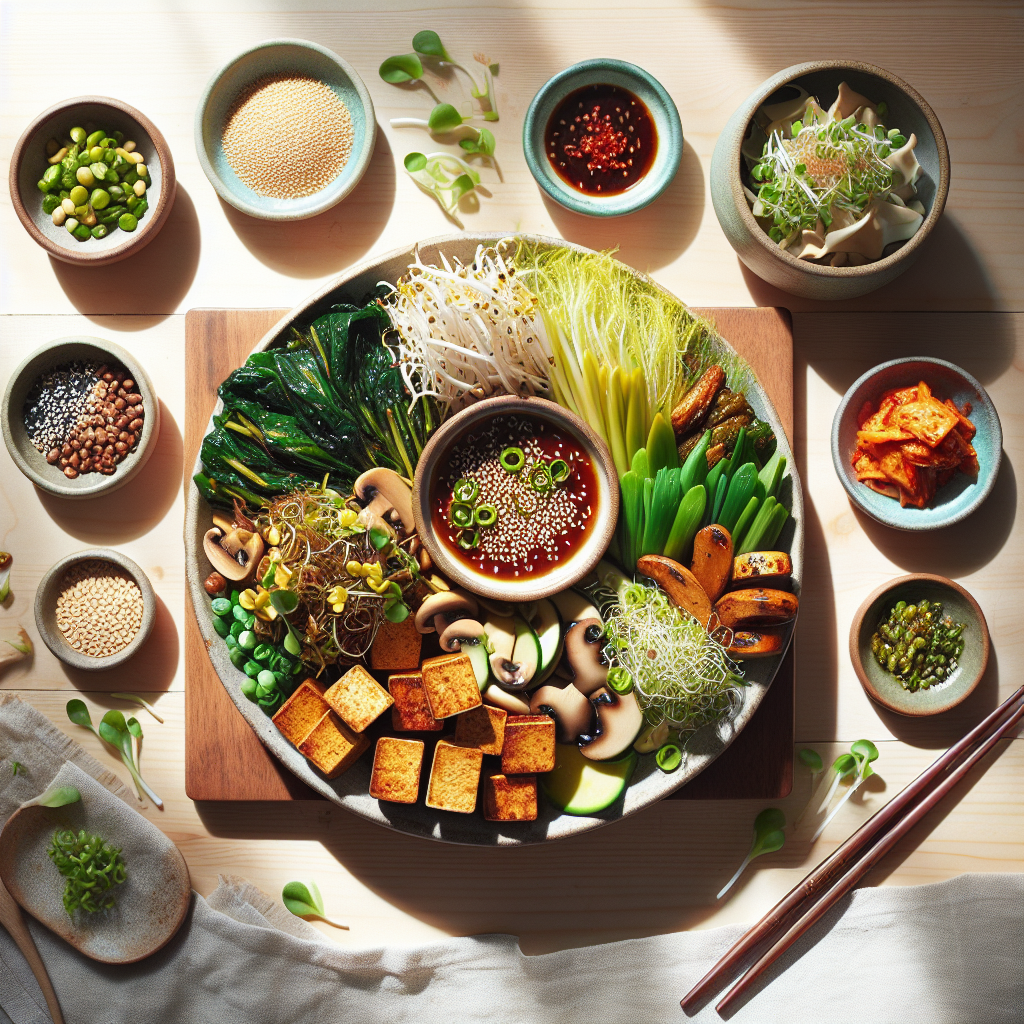
A simple bowl featuring grilled tofu, seasoned namul, mushrooms, and light fermented sides captures the essence of hansik while fitting beautifully into today’s global food culture.
Typical ingredients include:
- Tofu: firm, baked, or lightly marinated
- Namul vegetables: spinach, bean sprouts, fernbrake, bellflower root
- Mushrooms: shiitake, enoki, oyster
- Plant‑based kimchi or pickled vegetables
- Vegan gochujang sauce, thinned as needed
- Aromatics such as green onions, garlic, ginger
- Sesame seeds or crushed nuts
- Optional grains: rice, barley, quinoa
- Optional flavor boosters: perilla oil, seaweed flakes
How to Make It at Home
1. Prepare the tofu
Drain, dry, and slice the tofu. Lightly season or marinate, then grill or pan‑sear until golden.
2. Season the namul
Blanch or sauté your chosen vegetables. Season each with salt, sesame oil, and a touch of garlic.
3. Cook the mushrooms
Sauté mushrooms in a small amount of oil with a pinch of salt for extra umami.
4. Add a fermented element
Serve a spoonful of vegan kimchi or make a quick pickle with cabbage, mild chili flakes, salt, and vinegar.
5. Assemble the bowl
Arrange tofu and vegetables neatly in a shallow bowl for a simple, modern presentation.
6. Add the sauce
Drizzle with vegan gochujang sauce or serve it on the side. Finish with sesame seeds and sliced scallions.
7. Serve
Enjoy as‑is or pair with warm grains for a heartier meal.
Tips, Variations, and Serving Ideas
- Add barley or multigrain rice for a bibimbap‑style bowl.
- Swap tofu for tempeh, plant‑based egg alternatives, or grilled vegetables.
- Use gluten‑free gochujang if needed.
- Add seaweed salad or pickled radish for extra color and crunch.
- A few drops of perilla oil add a deep, nutty aroma.
- Make extra namul—these vegetables store well and make quick meals easier.
- Serve everything with crisp lettuce leaves for easy wraps.
Why This Style of Cooking Resonates Worldwide
Plant‑based Korean cuisine has become popular globally for its approachable flavors, nutritional benefits, and versatility. Korea’s long tradition of fermentation naturally supports gut health, while lightly seasoned vegetables show how simple ingredients can still feel abundant and satisfying.
Another reason for its growing appeal is flexibility. The techniques work with whatever vegetables and grains you have locally, making the dishes easy to adapt across regions and seasons.
There’s also a visual beauty to modern plant‑based Korean meals. Minimalist presentation, natural colors, and clean lines reflect contemporary Korean aesthetics while honoring culinary roots.
Travelers often discover these dishes in temple food restaurants, cafés, and vegan‑friendly spots across Korea. Home cooks appreciate how achievable the recipes are—no special skills required, just fresh ingredients and simple seasoning.
The cuisine also aligns with interest in sustainable eating. With its focus on vegetables, moderation, and seasonal ingredients, Korean cooking naturally fits eco‑friendly lifestyles and presents a balanced way to enjoy everyday meals.
Closing
Plant‑based Korean foods bring together nourishment, color, and the unmistakable flavors of Korea. They’re easy to prepare, endlessly adaptable, and perfect for anyone curious about modern hansik. If you’re looking for a warm and wholesome introduction to Korean cuisine, this vibrant plant‑based bowl is a wonderful place to start. Enjoy exploring and making it your own.