
Bibimbap: Korea’s Most Colorful Comfort Food
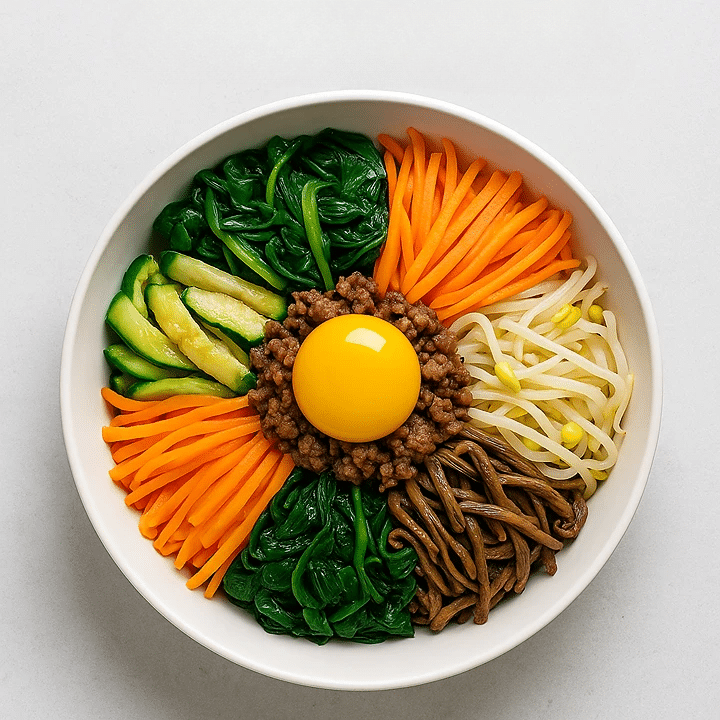
If you search for “must-try Korean food,” you will always see one name: Bibimbap.
It looks like a rainbow in a bowl and tastes like a warm hug.
In Korean, bibim means “mixing,” and bap means “rice.”
So Bibimbap literally means “mixed rice.”
But don’t worry — it’s much more exciting than it sounds!
This guide explains the cultural meaning behind one of Korea’s most loved dishes.
→ Korean Food: Home Cooking, Street Food, and Food Culture
What Is Bibimbap?
Bibimbap is a bowl of warm rice topped with:
- colorful vegetables
- marinated beef (or no meat, if you prefer)
- a fried egg
- and gochujang, Korean red chili paste
Before mixing, it looks like art.
After mixing, it becomes pure comfort food — sweet, spicy, savory, and slightly nutty from sesame oil.
Why Foreigners Love Bibimbap

Healthy but satisfying
You get fresh vegetables, carbs, and protein in one bowl.
It feels light but keeps you full.
Easy to customize
Vegetarian? Vegan? No problem.
You can skip the meat and egg and still enjoy a delicious bowl.
Not too spicy
The spiciness depends on how much gochujang you add.
Start with a small spoon and add more if you feel brave. 😄
H2 – How to Make Bibimbap (Easy 5-Step Method)
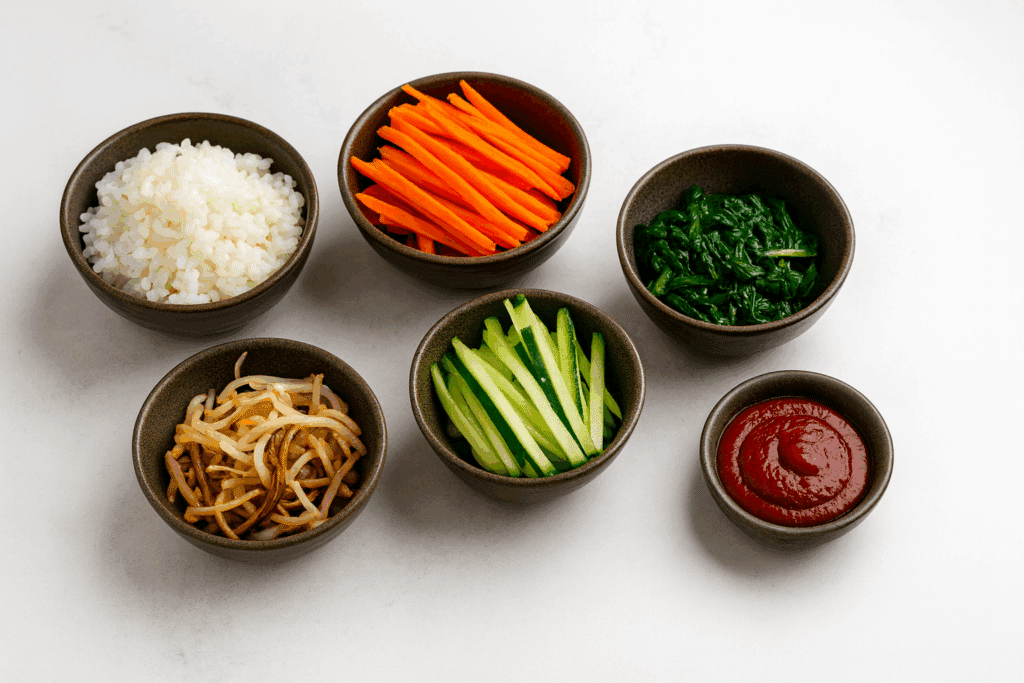
Basic ingredients
- cooked white rice
- mixed vegetables (spinach, carrot, bean sprouts, zucchini, etc.)
- fried egg
- beef, tofu, or mushrooms (optional)
- gochujang + sesame oil + sesame seeds
5-Step Method
- Put warm rice in a bowl.
- Arrange the vegetables and protein on top in sections.
- Add a fried egg in the center.
- Add a spoon of gochujang and a drizzle of sesame oil.
- Mix well — and that’s it!
Bibimbap is forgiving — it doesn’t need to look perfect.
The important part is mixing and enjoying the flavors together.
Final Thoughts: Your First Korean Comfort Food
Bibimbap is the perfect starter dish for anyone curious about Korean food.
It’s colorful, healthy, customizable, and friendly to non-Korean taste buds.
If you visit Korea, or cook at home, start your journey with Bibimbap —
your taste buds will thank you.
If you enjoy Korean dishes, check out our guide to authentic Korean street food!
1. Is Bibimbap spicy?
Bibimbap itself is not naturally spicy. The heat level depends on how much gochujang (Korean chili paste) you add. If you prefer mild flavors, you can start with a small spoon and adjust slowly. For a stronger kick, simply mix in more gochujang.
2. Can I make Bibimbap vegetarian or vegan?
Absolutely. Bibimbap is one of the easiest Korean dishes to customize. Replace the beef with tofu, mushrooms, or extra vegetables. For a vegan version, skip the egg or use a plant-based alternative. The flavor still stays delicious thanks to the colorful vegetables and sesame oil.
3. Is Bibimbap healthy?
Yes! Bibimbap is considered one of Korea’s healthiest comfort foods. It contains balanced portions of protein, vegetables, and rice, making it a nutritious meal for any time of the day. With minimal oil and plenty of fiber, it’s filling but not heavy.
4. What is the best way to mix Bibimbap?
Start from the center and fold the ingredients outward. This method spreads the gochujang evenly across the bowl, coating every ingredient with the perfect blend of flavor. Don’t worry about appearances — once mixed, Bibimbap is all about taste, not looks!
5. Can I use different sauces instead of gochujang?
Yes, though gochujang is traditional. Some people enjoy a soy-sesame dressing or even a mild garlic sauce. If you don’t enjoy spicy food, these alternative sauces can still give you a delicious and balanced bowl of Bibimbap.
Learn more about gochujang
https://en.wikipedia.org/wiki/Gochujang
“Bibimbap is more than just a meal — it’s a delicious way to experience Korean culture in everyday life.”